★★★★★ 5.0 on Rover · In-home training in Las Vegas

Every dog has a SuperStar in them.

Whether you're raising a puppy, polishing the basics, or working through reactivity, we build a plan around your dog's temperament and your daily life — not a one-size-fits-all program.

  • Positive reinforcement
  • No shock or choke collars
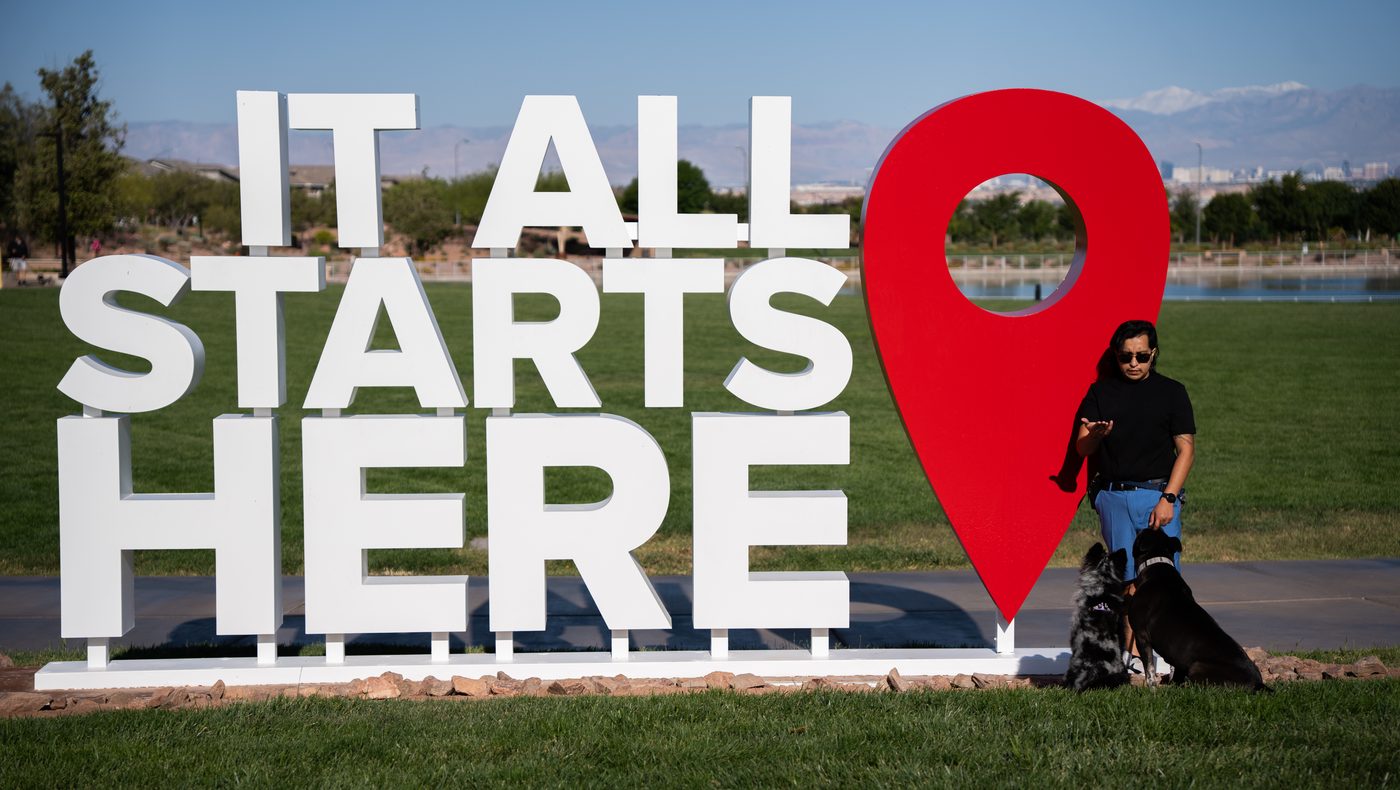
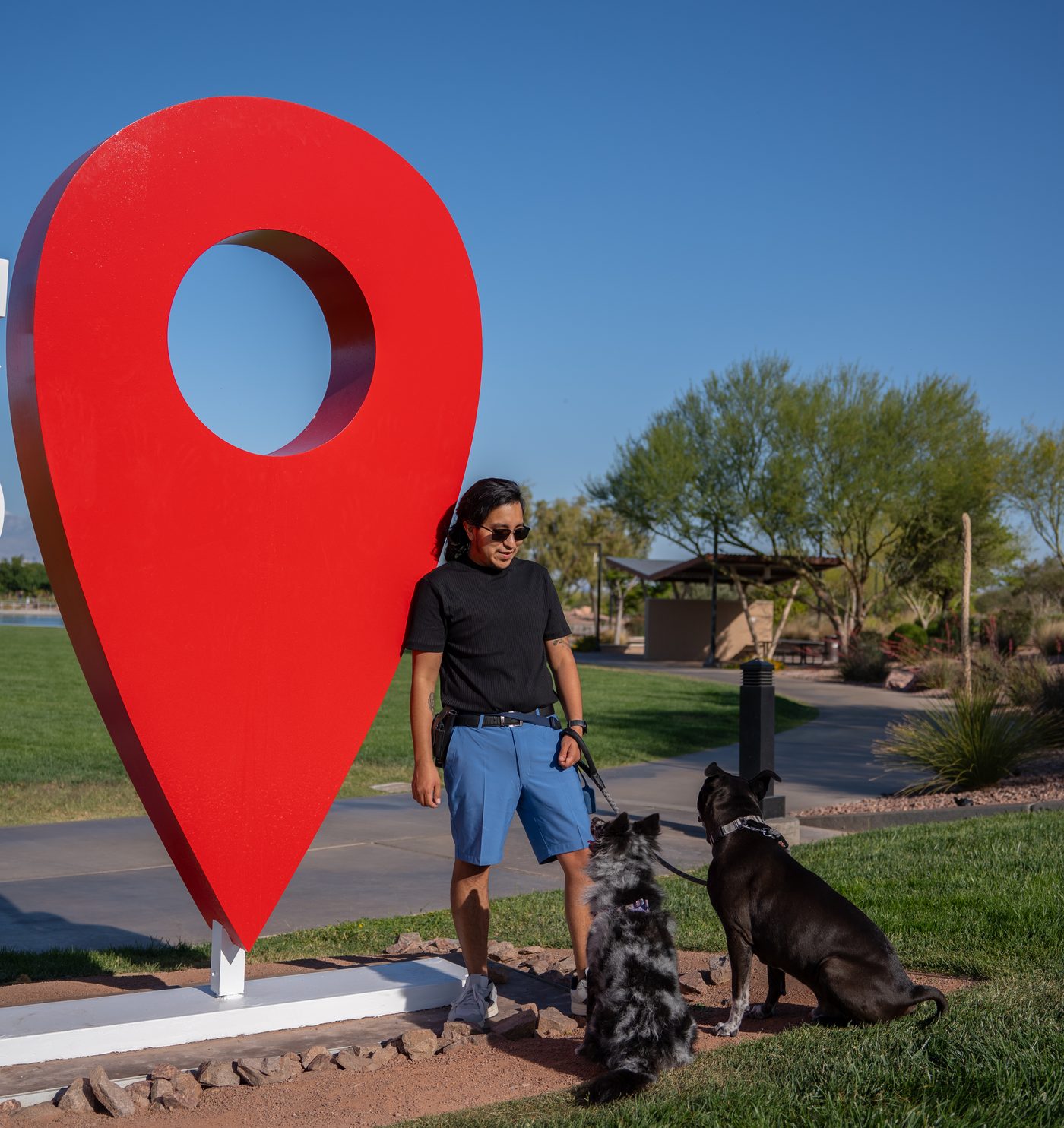
Josh with two dogs beside a giant park sign that reads It All Starts Here

Why SuperStar

Built on communication, not force.

A method grounded in structure and trust — no fear, no quick fixes.

Positive reinforcement

Reward-based methods rooted in science and trust — not fear or force.

In-home sessions

Training happens where your dog actually lives and learns.

Real communication

Bridging the gap between what your dog is saying and what you're hearing.

Flexible scheduling

Plans change. Move your own sessions right here — no texting required.
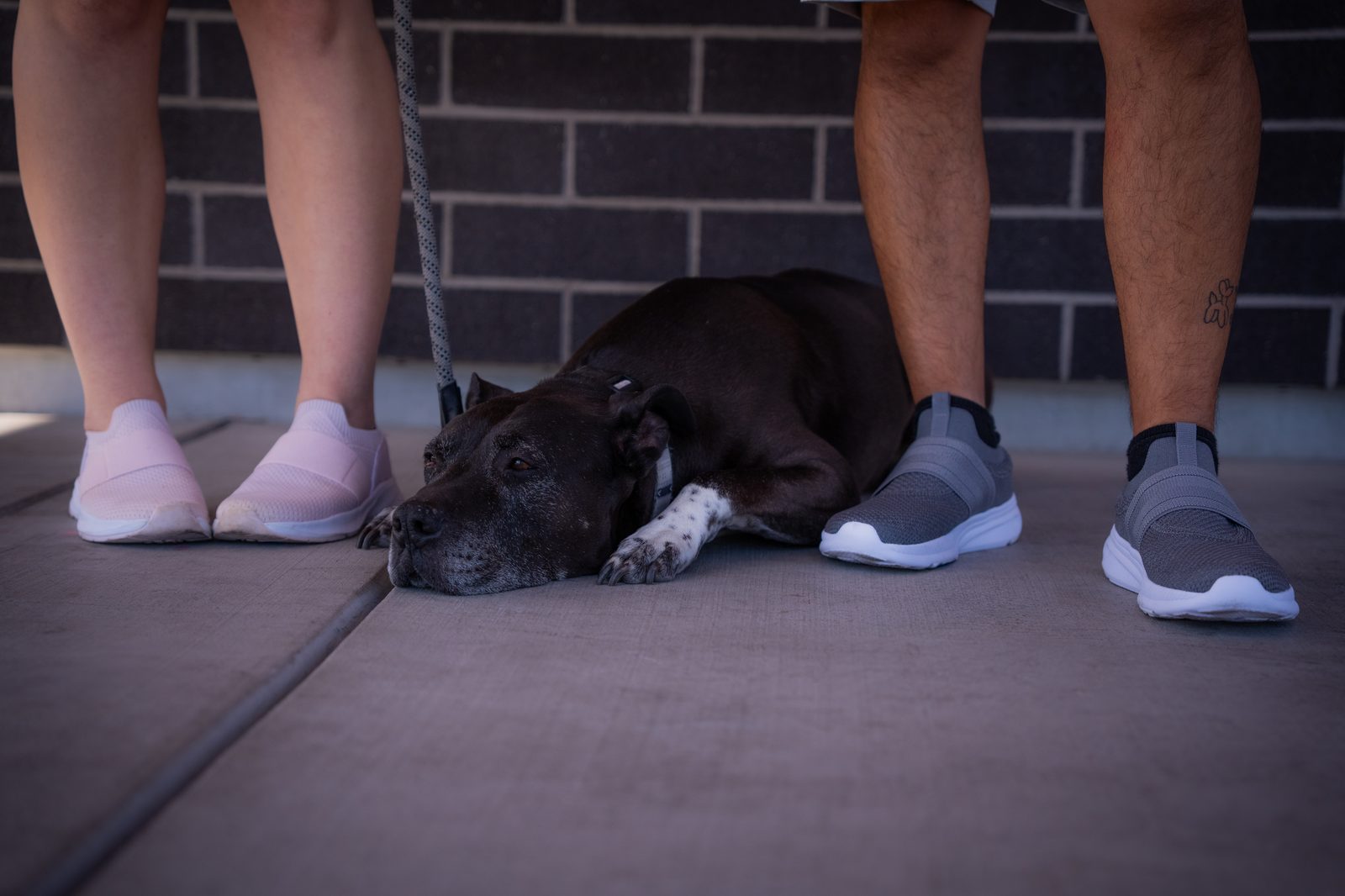
A dog resting its head on the ground between its two owners' feet

Calm is a skill — and it's built between sessions.

Programs

Find the right fit for your dog.

Every plan starts with a conversation about your dog, your goals, and what's really happening at home.
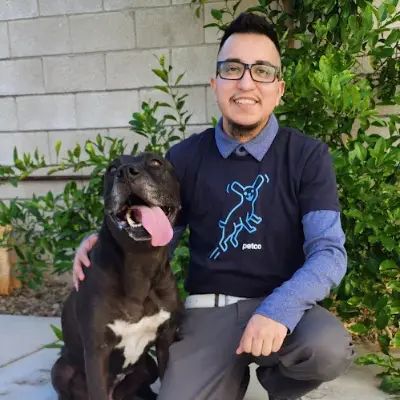
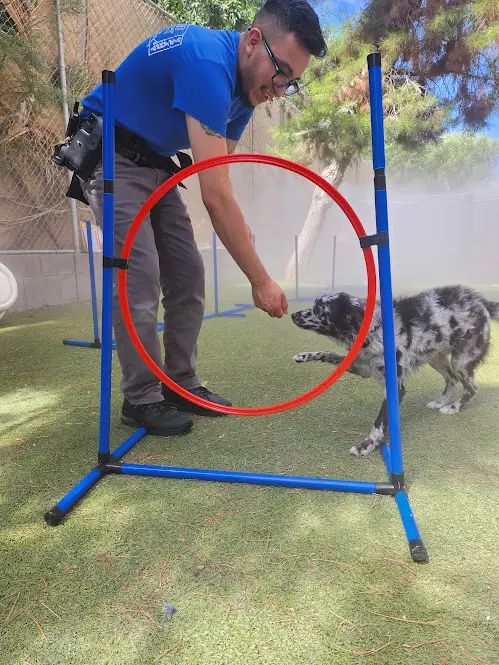
Josh smiling with a dog during a training session

Meet your coach

Hi, I'm Josh. I speak Dog.

I've worked professionally with dogs of all ages, temperaments, and obedience levels. I believe every dog deserves to be understood, and I love bridging the communication gap between pets and their people. Together, we turn overwhelming moments into calm behavior and real connection.

More about Josh

Ready to meet your dog's inner SuperStar?

Start with a free 30-minute consultation. No cost, no pressure — just a plan.

★★★★★ 5.0 for Dog Training on Rover

Pet parents say it best.

Real reviews from real sessions.
Read all reviews

About

Meet Josh, your canine coach.

Hi, I'm Josh — your canine coach. I've worked professionally with dogs of all ages, temperaments, and obedience levels. I believe every dog deserves to be understood.

I speak Dog, and I love bridging the communication gap between pets and their people. Together, we turn overwhelming moments into calm behavior and real connection. Whether you're starting with a puppy or facing challenging behavior, I'm here to guide you.

Credentials

Petco Dog Training Instructor ProgramDTIP
Petco Certified Positive Dog TrainerPCPDT
Book your consultation
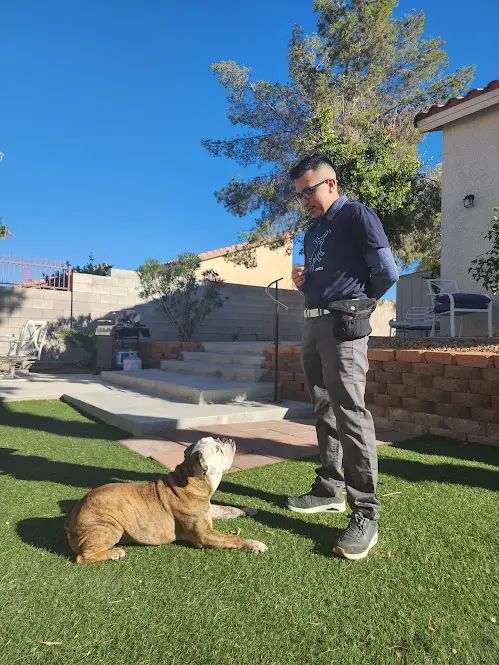
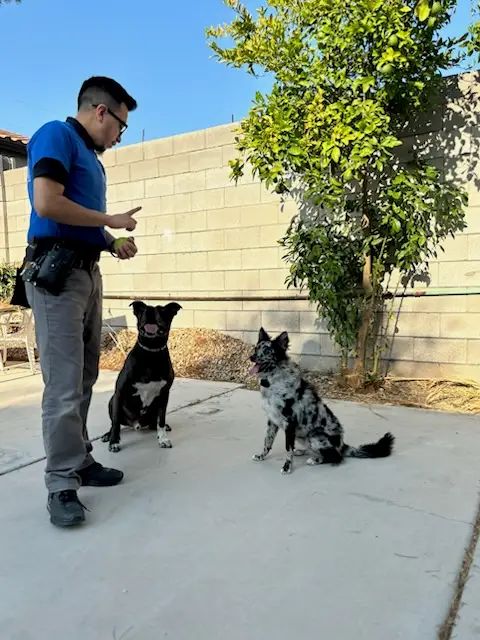
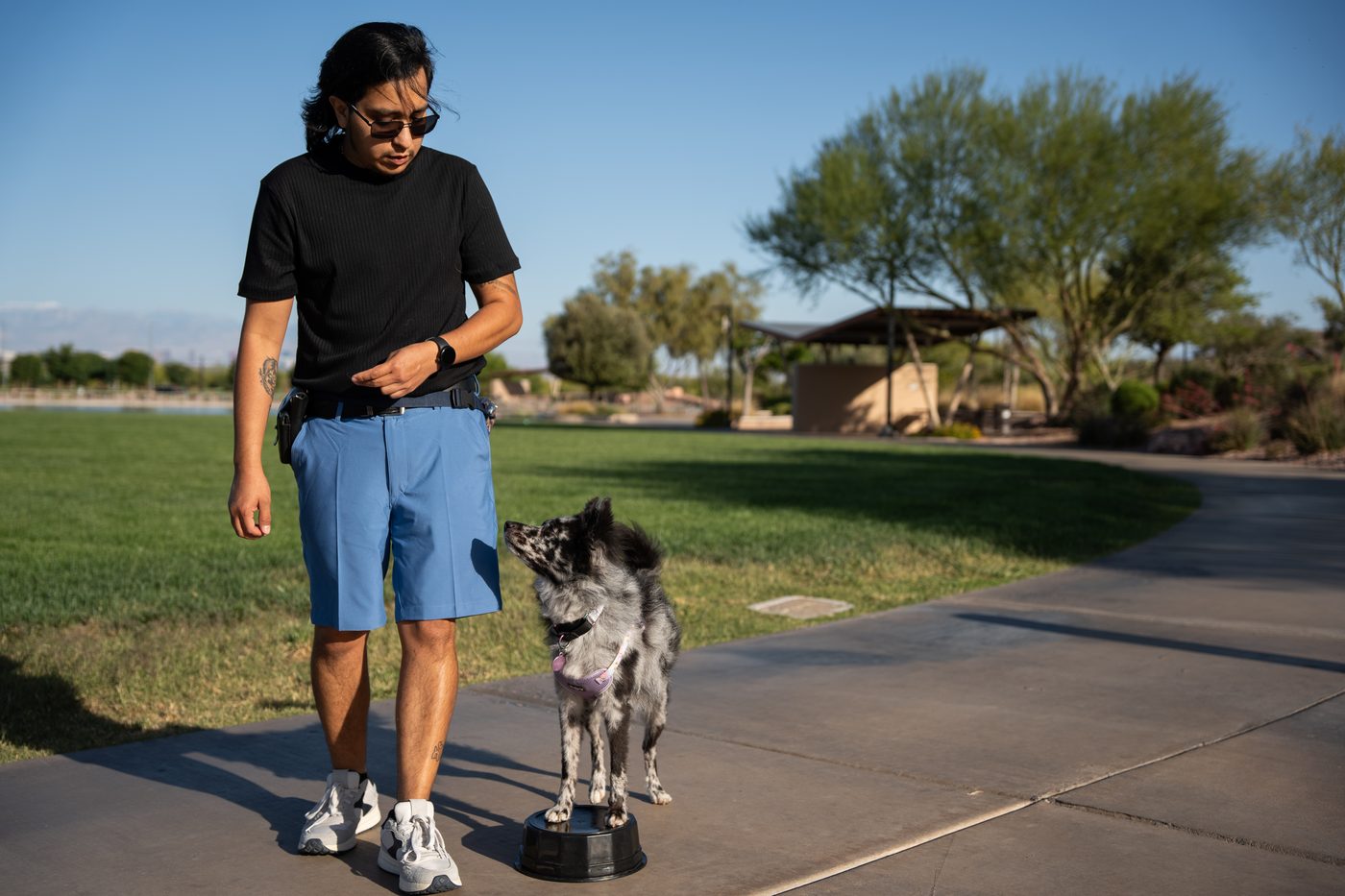
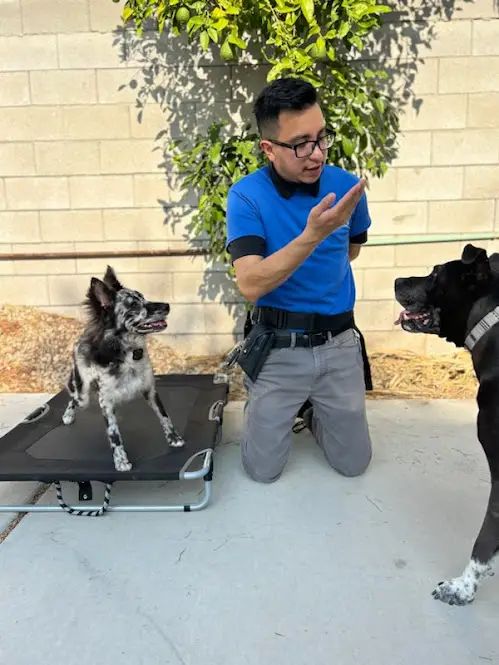
Josh giving a hand signal to a dog on a training platform while another dog watches

The mission

Training saves lives. No — literally.

It saves lives in two ways. A dog who listens is safer. They're less likely to run into the street, ignore a recall, or put themselves in danger. But it goes deeper than that. Every year, millions of dogs enter shelters due to behavioral challenges that were never properly addressed. Many never make it back out — not because they were bad dogs, but because they were misunderstood.

My personal mission is to change that. I'm here to help build stronger relationships between pets and their pet parents through clear communication, structure, and guidance — so they can stay where they belong: out of shelters and in their loving homes. Because training doesn't just change behavior — it saves lives.

Our approach

How we train — and why it works.

Lasting behavior change comes from clear communication, structure, and trust. Here's the approach behind every SuperStar program.

Principle 01

Positive reinforcement

We reward the behaviors we want to see more of. Methods are rooted in science and trust — without force or fear.

Principle 02

Real communication

Your dog is always communicating. You'll learn to understand what they're telling you, and to respond in a way that actually makes sense to them.

Principle 03

Structure & consistency

Clear routines and consistent expectations help dogs feel secure, turning overwhelming moments into calm behavior.

Principle 04

Coaching the pet parent

Training is for you as much as your dog. Every session gives you clear, step-by-step skills to practice — even 5 minutes of intentional training a day makes a tremendous difference.

Principle 05

Training in real life

Sessions happen where your dog actually lives and learns. Group walks and classes add practice around real-world distractions.

Principle 06

Progress over perfection

Behavior isn't linear. We celebrate the wins, learn from the setbacks, and adjust the plan when needed — focused on lasting change, not quick fixes.

In the field

Moments from real sessions.

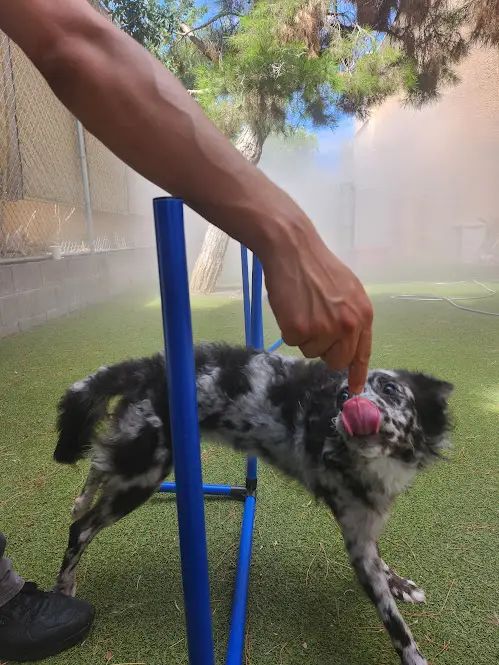
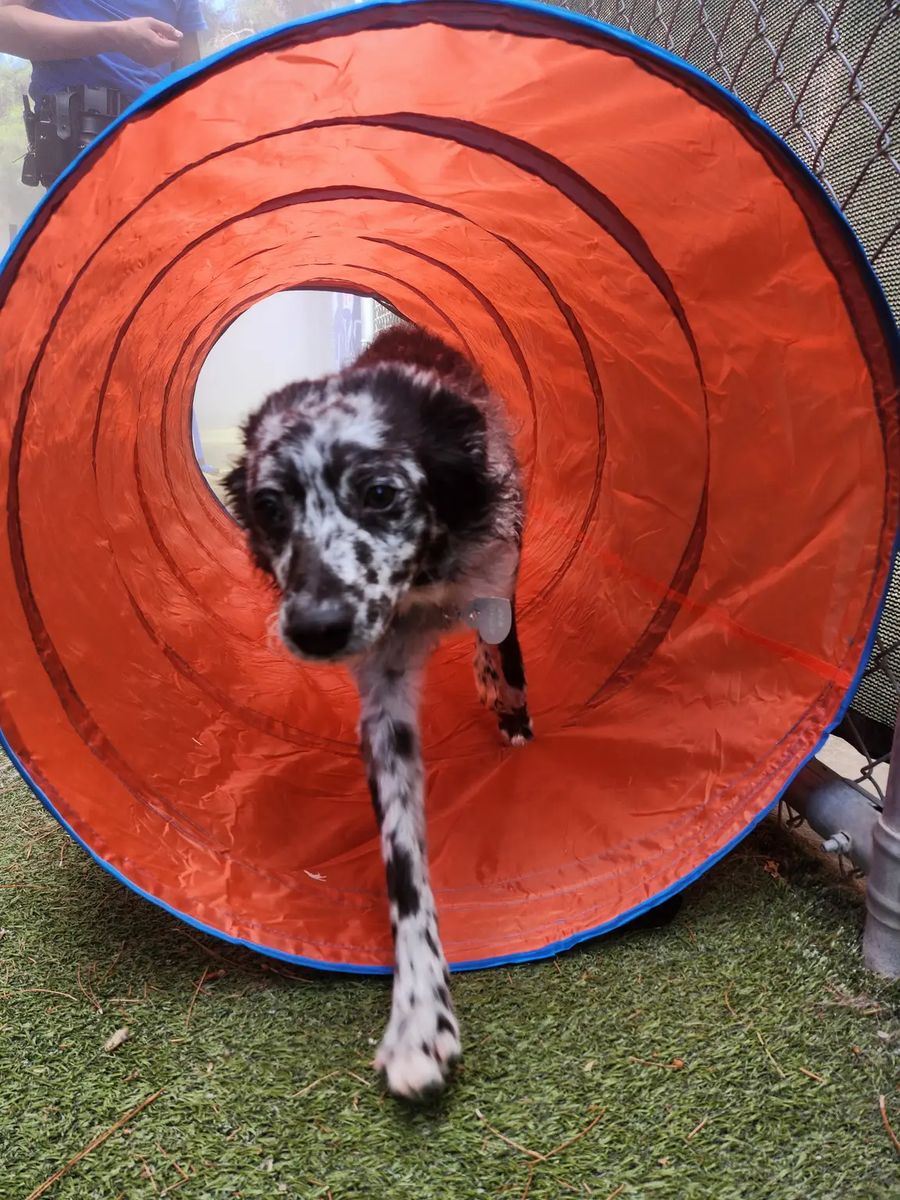
Sits, stays, agility, and everything in between.

FAQ

Frequently asked questions.

Still wondering about something? Book a free consultation and let's talk about your dog.

Absolutely not! In fact, puppies between approximately 3 and 16 weeks of age are going through a critical developmental period, often called the Puppy Imprint Period. This is an incredibly important time for learning, socialization, confidence-building, and creating positive associations with the world around them.

The earlier we start building good habits and communication, the stronger the foundation we can create for your puppy's future.

No way! It's never too late to start.

I've personally worked with dogs 10+ years old, and they absolutely can learn new things. Dogs never stop learning, and training can be a wonderful way to strengthen communication, build confidence, and give your dog something fun to do alongside you.

Every dog is an individual, so I tailor my approach to the dog in front of me and the goals of the family I'm working with. I help dogs and their pet parents build calm behavior, clear communication, and confidence—without force or fear. Check out the training methodology page for more details.

Due to the complex nature of fear, aggressive, and abuse cases, each dog receives individualized support depending on their history. These cases usually require more time than a typical training program.

I offer tailored, continued training for dogs who need extra time and attention. My first priority is understanding why your dog is behaving the way they are and creating a plan that helps heal the pain and move forward safely and confidently.

As a behaviorist, I need to observe the behavior. Thus, the best way to determine what your dog uniquely needs is to book a consultation, where I can make an assessment.

No—and that's intentional.

Your dog needs you.

I could take your dog away for a few weeks and modify their behavior, but that doesn't necessarily teach you how to communicate with your dog when they're back home.

I don't want to rob you of that journey.

My goal isn't simply to train your dog for you. It's to teach you how to understand your dog, communicate with them, and build a relationship that lasts long after our training sessions are over.

No—and that's because your results depend on you.

Think of dog training like working with a personal fitness trainer. Your trainer can teach you the exercises, create a meal plan, and coach you along the way—but they can't do the work for you.

The same is true with your dog.

I'll give you the knowledge, tools, guidance, and support you need to build a better relationship with your dog. But the real practice between our training sessions is where the magic happens. The more you practice, communicate, and stay consistent, the more progress you'll see.

You are the most important part of the training process. Your dog needs You.

Let's talk about your dog.

The first consultation is free — 30 minutes to understand your goals and build a plan.

Methodology

Training Philosophy & Methodology

Building better communication, stronger relationships, and lasting results through compassionate, science-based dog training.

I believe that dogs deserve to be understood, not simply controlled. I believe that people deserve guidance without judgment. (Once upon a time, I was a first time dog owner, too!)

The most meaningful training results happen when we stop looking at dogs as problems to fix and start looking at them as individuals to teach, support, and understand. I believe that training isn't just about teaching your dog to sit on cue. My goal is to help you and your dog develop an unshakable bond built on trust, communication, and understanding.

My mission is simple: to help you and your dog build a better life together, one skill, one breakthrough, and one moment of understanding at a time.

My approach is rooted in positive reinforcement, force-free training, and the LIMA (Least Intrusive, Minimally Aversive) framework. I believe dogs learn best when they feel safe, understood, motivated, and supported.

I don't believe in quick fixes, intimidation, or forcing a dog into compliance. I believe in understanding why a behavior happens, teaching practical alternatives, and giving both ends of the leash the tools they need to succeed.

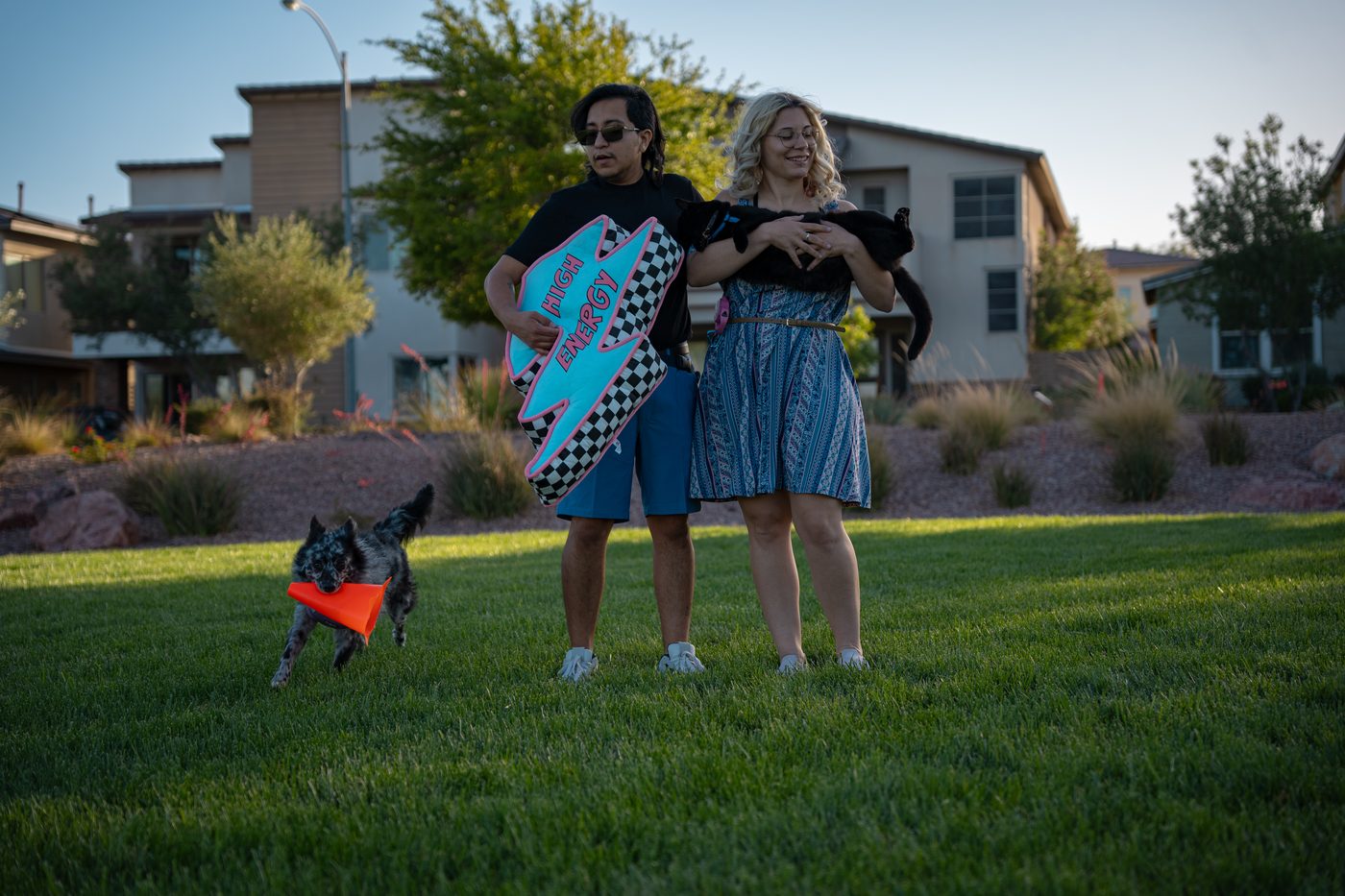
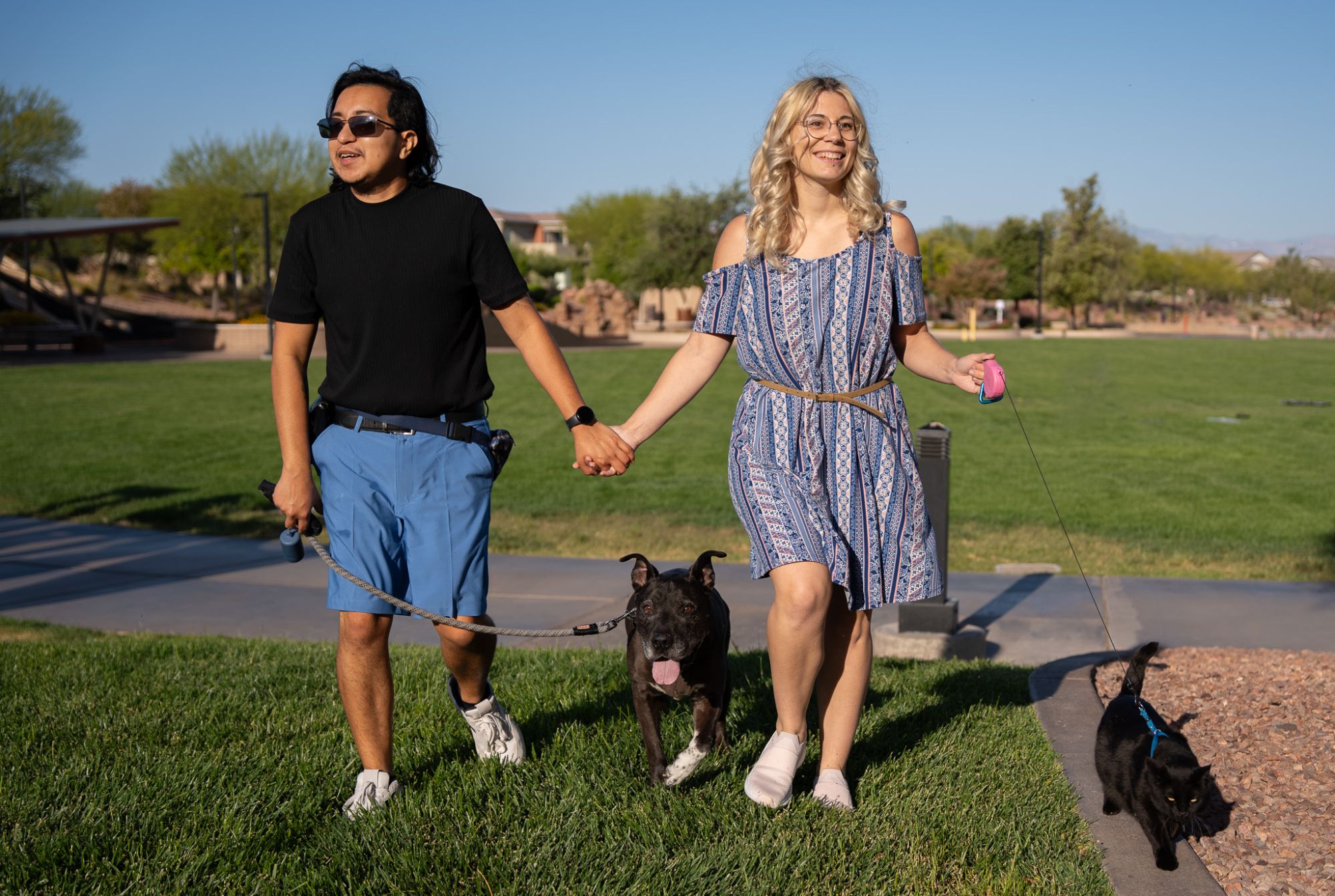
A couple holding hands, walking their dog and cat on leashes across a park lawn

I primarily use positive reinforcement to teach and strengthen desired behaviors.

Positive reinforcement means adding something the dog finds rewarding following a behavior, making that behavior more likely to happen again. Depending on the individual dog, that reward might be food, toys, play, praise, access to the environment, or something else the dog genuinely values.

Instead of focusing exclusively on stopping unwanted behavior, I focus on teaching dogs what to do.

  • Reward the behaviors we want: Reinforce calmness, engagement, appropriate choices, and successful responses.
  • Build motivation: Find what makes each individual dog enthusiastic about learning.
  • Teach skills progressively: Break complex behaviors into manageable steps and build on success.
  • Create positive associations: Help dogs develop more comfortable and confident responses to people, dogs, environments, and everyday experiences.

Positive reinforcement isn't bribery, permissiveness, or a lack of structure. It's a deliberate teaching strategy based on how learning works.

And most importantly, positive reinforcement doesn't mean rewarding every behavior indefinitely. It means being intentional about which behaviors we reinforce, when we reinforce them, and how we set up our dogs for success!

My training philosophy is guided by LIMA: Least Intrusive, Minimally Aversive.

This means choosing humane, effective strategies that prioritize the dog's emotional and physical well-being while addressing the behavior or skill we're working on.

A dog who sits because they feel safe, understand the cue, and have learned that sitting is rewarding is having a fundamentally different learning experience from a dog who sits to avoid discomfort or punishment.

My approach prioritizes:

  • Understanding the dog's needs and the reasons behind their behavior.
  • Identifying environmental factors that contribute to challenges.
  • Using management and prevention to reduce unwanted rehearsal.
  • Teaching replacement behaviors that meet the dog's needs while fitting into everyday life.
  • Adjusting training strategies based on the individual dog's response.
  • Prioritizing emotional well-being alongside observable behavior.

I believe we can maintain clear expectations and meaningful boundaries without ever having to rely on aversive methods.

I do NOT use prong collars, choke chains, shock collars, slip leads, or dominance-based training techniques. Causing discomfort, frightening a dog, or overpowering it is not necessary to establish communication or teach reliable skills.

I also don't subscribe to the idea that dogs are constantly trying to dominate their pet parents or challenge their authority. Behaviors that frustrate us often have much more practical explanations. A dog might be overstimulated, frightened, under-socialized, confused, frustrated, excited, physically uncomfortable, or simply engaging in a behavior that has worked for them in the past.

When we interpret every difficult behavior as defiance or a power struggle, we risk overlooking the actual problem.

I meet your dog's challenging behaviors with curiosity and ask:

  • What is motivating this behavior?
  • What is the dog communicating?
  • What environmental factors are contributing?
  • What skills does the dog need to succeed?
  • How can I make the desired behavior easier and more rewarding?

I want dogs to develop skills they can use confidently, not simply suppress behaviors out of fear of consequences.

A dog that barks, pulls, jumps, growls, lunges, or refuses to respond isn't necessarily being stubborn, disobedient, or intentionally difficult.

Behavior serves a purpose. Our job is to understand that purpose as best we can and develop a plan that addresses the underlying needs and learning history involved.

For example:

  • A dog that pulls toward other dogs may be frustrated, excited, socially motivated, or struggling with impulse control.
  • A dog that lunges and barks may be experiencing fear, stress, frustration, or a combination of emotions.
  • A dog that jumps on visitors may be seeking attention, expressing excitement, or lacking a practiced alternative.
  • A dog that ignores their pet parents outdoors may be overwhelmed by competing distractions or may not yet have developed the necessary skills in that environment.

These are possibilities, not diagnoses. The same outward behavior can have different causes in different dogs.

That's why I don't believe in one-size-fits-all training plans.

I look at the whole picture, including the dog's history, environment, emotional state, reinforcement history, and the specific circumstances in which a behavior occurs.

When we understand more about the why, we can make better decisions about the how.

There is no universal training recipe that works for every dog.

Breed, age, temperament, genetics, previous experiences, environment, health, and individual preferences all influence how a dog learns and responds to the world.

A young, energetic puppy has different needs from a senior dog. A fearful rescue has different challenges from a confident adolescent. A dog that struggles with reactivity needs a different approach from one that simply needs to develop foundational manners.

Even two dogs with the same behavioral challenge may require completely different training strategies.

My approach is to meet each dog where they are.

That means evaluating the dog's current abilities, identifying realistic goals, adjusting the difficulty of exercises, and choosing rewards and strategies that work for that particular individual.

I don't believe in comparing dogs against one another or measuring success against an arbitrary standard.

The goal is meaningful progress for the dog and household in front of me.

Force-free training does not mean a dog gets to do whatever they want.

Dogs benefit from predictable routines, understandable communication, appropriate limits, and environments in which they can make good decisions. The distinction is in how those boundaries are established.

Rather than using intimidation or punishment, I focus on proactively managing the environment, teaching appropriate behaviors, reinforcing cooperation, and providing clear guidance. That might mean using a leash, baby gates, crates when appropriate, structured walks, predictable routines, or carefully managed access to certain environments.

Management is not failure. It is a valuable tool that prevents unwanted behavior from becoming a habit while the dog develops the skills it needs. My objective isn't to control every moment of a dog's life. It's to give dogs the structure and skills they need to navigate the world more successfully and enjoy more freedom over time.

A dog that performs a behavior perfectly in a quiet room isn't necessarily ready to perform that same behavior at a park, around other dogs, or in a busy neighborhood. Dogs don't automatically generalize what they've learned from one environment to another. That's why I believe practical training needs to extend beyond the basics. My approach emphasizes building skills gradually and then applying them in increasingly challenging environments. During our sessions together, we will go on Doggy Field Trips!

I also believe that socialization is frequently misunderstood.

Socialization isn't about making every dog interact with every person or dog. It is about helping dogs become comfortable and capable in the environments they encounter. For many dogs, learning to calmly observe the world without needing to approach or interact is an extremely valuable skill. That's why I emphasize neutrality, appropriate distance, and thoughtful exposure rather than forced greetings or constant social interaction.

The goal is not to make every dog universally social. It's to help each dog feel safe while in the presence of their pet parent, regardless of their environment.

Dog training isn't just about teaching dogs. It's also about teaching people.

Even the most effective training plan won't produce lasting results if the pet parents involved don't understand how to implement it consistently. I see my role as both a dog trainer and an educator. Hence the handle K9CoachJosh.

My job is to explain the reasoning behind the exercises, demonstrate the mechanics, provide clear instructions, and help pet parents understand what their dogs are communicating.

I want my clients to feel empowered, not dependent on me to solve every future problem.

My training programs use weekly lessons paired with consistent at-home practice. During our sessions, we work together to develop skills and troubleshoot challenges. Between sessions, pet parents have the opportunity to practice, build consistency, and integrate those skills into daily life. I believe in teamwork, open communication, and judgment-free support.

Behavior change takes time.

Dogs aren't machines, and learning doesn't follow a perfectly predictable schedule.

A dog might make tremendous progress one week and struggle the next. A skill that works beautifully in one environment might fall apart in another. A stressful event, a change in routine, lack of sleep, excitement, illness, discomfort, or a new environment can all influence behavior.

Setbacks and regression are normal parts of the learning process!

I don't believe in promising overnight transformations or guaranteeing that every behavior can be completely eliminated within a specific number of sessions.

Instead, I focus on building sustainable progress and helping owners understand how to respond when things don't go as planned.

Sometimes that means slowing down. Sometimes it means simplifying an exercise, changing the environment, revisiting foundational skills, or reassessing the training plan altogether.

Being flexible isn't a weakness in a training program. It's part of being responsive to the individual dog.

My goal is to create lasting behavior change, not temporary results that disappear when the trainer leaves.

I understand that living with behavioral challenges can be frustrating, exhausting, and sometimes overwhelming. Whether you're dealing with leash pulling, reactivity, jumping, anxiety-related behaviors, poor impulse control, or foundational obedience, you want to see meaningful change. I take those goals seriously.

But I also believe it's important to distinguish between suppressing a behavior and genuinely improving a dog's ability to navigate a situation.

A dog that stops barking because it has learned that barking is unsafe may appear quieter without feeling any more comfortable. A dog that learns an alternative response, develops positive associations, or gains the ability to cope with a difficult situation will experience a more meaningful improvement.

These outcomes aren't interchangeable.

My priority is to develop skills, improve communication, and support emotional well-being wherever possible. That doesn't mean every case has a simple solution or that every dog will reach the same outcome. Some challenges require ongoing management, professional collaboration, or specialized behavior support.

Honest expectations are part of responsible training.

I'd rather help you understand what meaningful progress looks like for your dog than promise a quick fix that may not last.

What You Can Expect When Working With Me

I am committed to providing every pet parent and dog with:

  • Clear, step-by-step coaching. We're a team, and I'll guide you every step of the way.
  • Compassionate, judgment-free support. Every dog and every family is different. You'll always have a safe space to ask questions, work through challenges, and learn without judgment.
  • Positive reinforcement methods rooted in science and trust. I believe in teaching through motivation, building confidence, and strengthening the relationship between you and your dog.
  • Honest communication and realistic expectations. I'll always be transparent about the training process, your dog's progress, and the work involved in achieving your goals.
  • A focus on lasting behavior change, not quick fixes. My goal is to give you the knowledge and skills to create meaningful, lasting improvements in your everyday life with your dog.

I promise to bring patience, knowledge, and my full attention to every lesson, and I'll always celebrate every step of your dog's progress.

Thank you for trusting me with your dog's journey. It is truly an honor to be part of it.

Ready to get started?

Start with a free consultation and get a plan built around your dog.

Services & pricing

Programs built around your dog.

Book your time here, then pay securely through Square right after booking. The consultation is always free.

Consultations are required before booking any packages. This visit is not a training session; It is an opportunity to ensure we’re the right fit. I observe and assess your dog's behavior, document their daily routines and demonstrate tailored techniques. We then create a customized training plan and schedule ongoing sessions to begin your dog’s transformation journey!

The process

From first hello to lasting change.

01

Consultation

A conversation about your dog, your goals, and what's really happening at home.

02

A custom plan

Built around your dog's temperament and your daily life — never one-size-fits-all.

03

Weekly sessions

One-on-one coaching for you and your dog, with skills to practice between lessons.

04

Practice & adjust

Consistent practice at home, honest check-ins, and adjustments as your dog progresses.

★★★★★ 5.0 for Dog Training

What clients are saying.

Verified reviews from real sessions, straight from Rover.

More reviews on Rover

Share your experience

Worked with Josh?

Leave a review below — it'll appear on this page after a quick check.

Book a session

Let's find a time.

Pick a service, choose a slot, and you're set. You can reschedule later from My Booking.

1

Choose a service

2

Pick a date & time

3

About your dog

4

About you

Used to confirm and manage your booking.

Training prep

How to prepare & what to expect.

A few things that help every session go smoothly — for you and your dog.

Before we start

On training days

Help your dog arrive ready to learn by meeting their physical needs beforehand. Please don't skip your walks — they're a necessity, not a luxury, and help dogs regulate their bodies and minds. A walk before training makes your dog far more receptive.

Avoid scheduling vet visits, grooming, daycare, or other stressful events on training day. Stress significantly affects your dog's ability to focus, learn, and retain new skills.

Meals

Meal preparation

Feed your dog half of their breakfast or dinner — whichever meal is closest to our appointment. This keeps your dog comfortable while making sure they stay motivated to work for training treats throughout the session.

Timing

30-minute arrival window

Treat every appointment time as a 30-minute arrival window. An 8:30 AM appointment means I may arrive anytime between 8:15 and 8:45 AM.

Arrival times can shift due to traffic, travel distance, or a session reaching a critical breakthrough that can't be paused. I extend that same patience and full attention to your session, too.

Gear

Training equipment

Every dog is different. Based on your dog's needs and goals, I may recommend specific equipment to improve communication, safety, and learning.

Purchasing and consistently using recommended equipment throughout the program is required to see results.

The learning process

Progress isn't a straight line.

Between sessions

Real transformation happens between our weekly lessons. Sessions teach both you and your dog the skills for success, but lasting change comes from consistent practice at home. Even 5 minutes of intentional training a day makes a tremendous difference.

Behavior is not linear

Just like people, dogs have good days, difficult days, and everything in between. It's completely normal to see progress one week, followed by what feels like a step back the next.

Regression doesn't mean your dog is failing. Sleep, stress, excitement, routine changes, health, or environment can all influence behavior day to day.

Our goal isn't perfection — it's steady, long-term progress.

Throughout this journey, we'll celebrate the wins, learn from the setbacks, and adjust when needed. With patience, consistency, and teamwork, lasting behavior change is absolutely achievable.

My promise

What you can expect from me.

Your consistency outside of our sessions is the single greatest factor in your dog's success. I promise to bring patience, knowledge, and my full attention to every lesson — and to celebrate every step of your dog's progress.

Thank you for trusting me with your dog's journey. 🐾

  • Clear, step-by-step coaching — we're a team
  • Compassionate, judgment-free support
  • Positive reinforcement rooted in science and trust
  • Honest communication and realistic expectations
  • A focus on lasting behavior change — not quick fixes

Events & group classes

Train together, around real distractions.

Drop-in and small-group sessions open to current and prospective clients. Spots are limited.

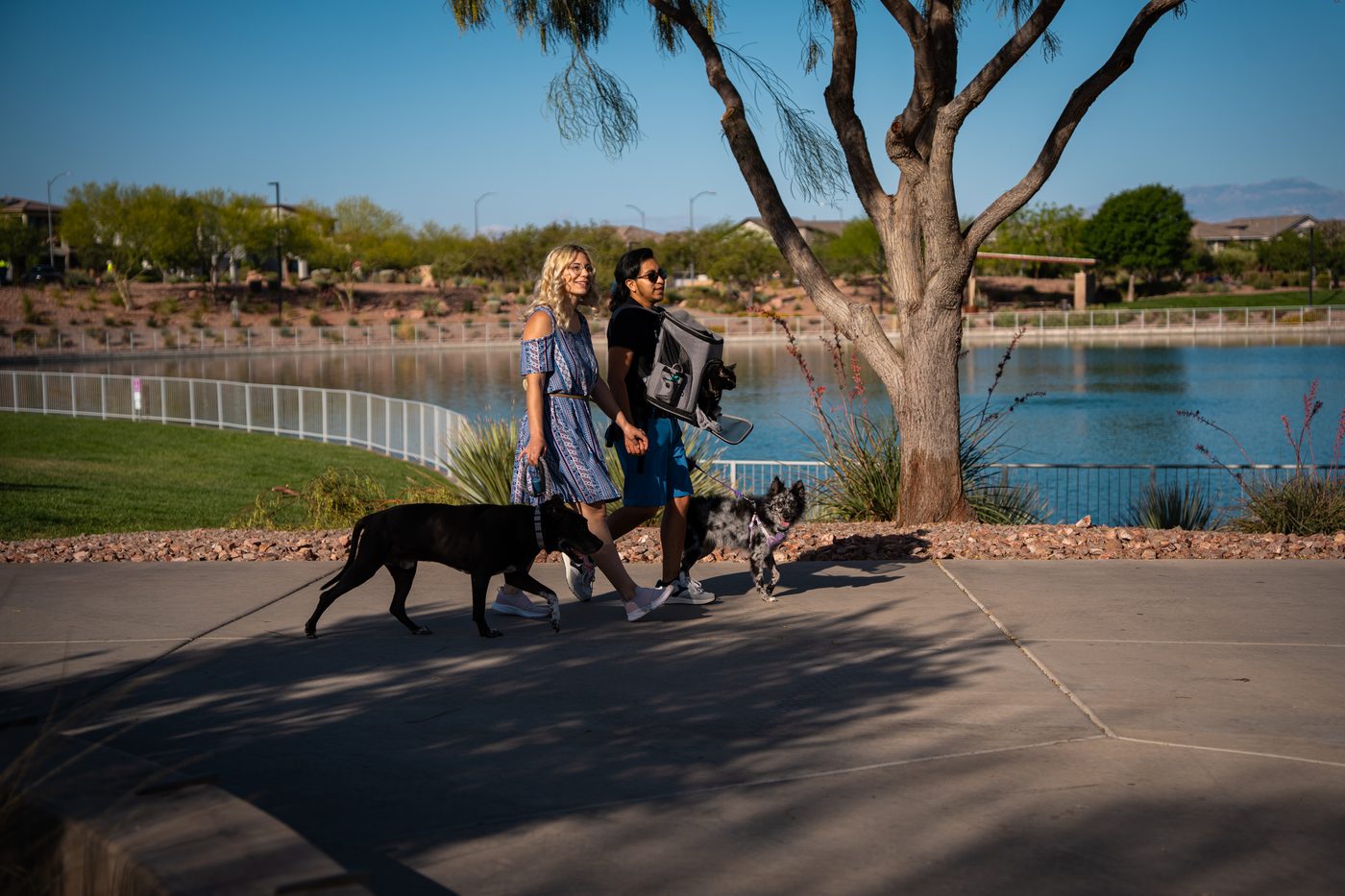
A couple walking their dog and cat together along a park path by a lake

Group walks, playgroups & classes.

SMALL GROUPS · LIMITED SPOTS

Loading events…

My booking

Manage your session.

Enter the email you booked with to find, reschedule, or cancel your session.